

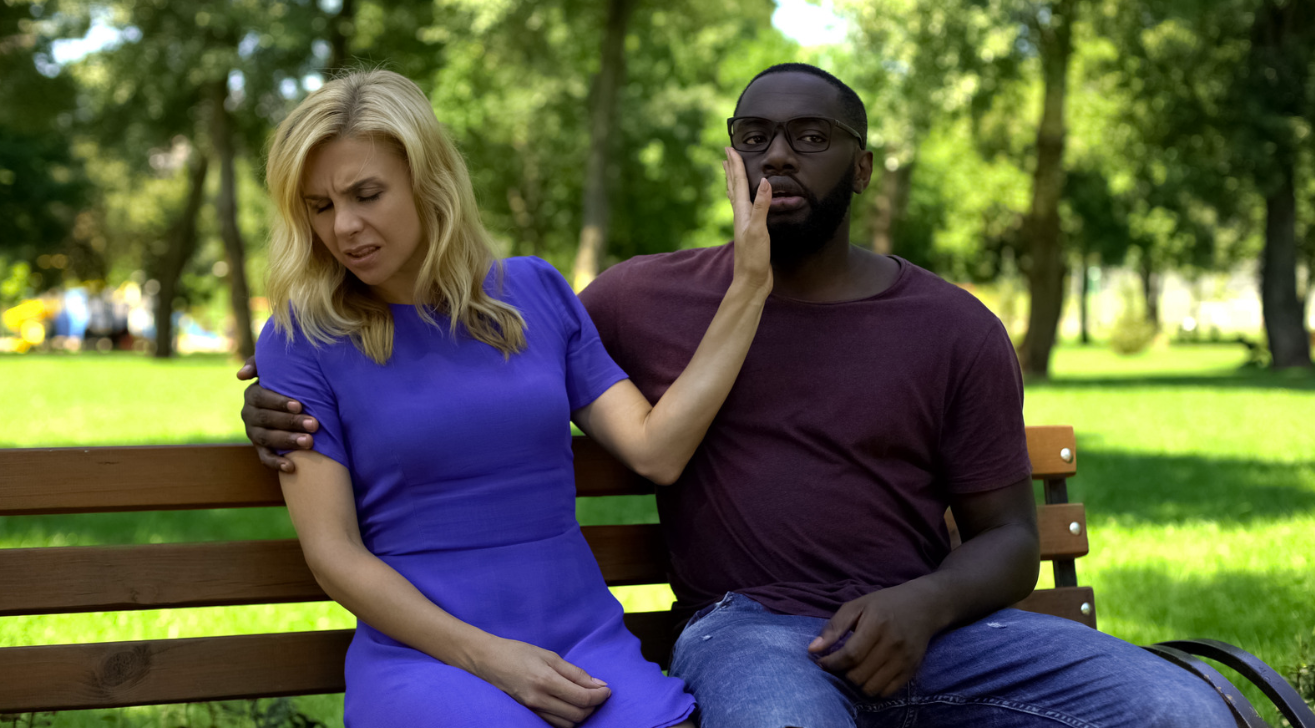
Infidelity & Trust
People cheat for different reasons, but relationship problems do not make cheating inevitable. Infidelity is still a choice. Understanding contributing factors can help a couple decide what happened, whether repair is realistic, and what boundaries are needed next—without blaming the betrayed partner.
Why Do Some Men Cheat?
There is no single “male” reason for infidelity. The same broad factors can apply across genders. Useful explanations focus on behavior and circumstances rather than stereotypes.
1. Weak Boundaries and Opportunity
Some affairs begin when a person allows increasingly intimate contact outside the relationship and does not set or respect boundaries. Opportunity can explain how cheating became possible, but it does not excuse the choice.
2. Validation-Seeking
A person may chase attention, novelty or reassurance because they want to feel attractive, admired or important. That need can be addressed honestly; cheating is not the only response available.
3. Relationship Dissatisfaction
Emotional distance, conflict, mismatched intimacy or resentment can be part of the context. A dissatisfied partner can communicate, seek counseling, renegotiate the relationship or leave. Dissatisfaction is not permission to deceive.
4. Avoidance of Difficult Conversations
Some people avoid discussing sex, commitment, loneliness or incompatibility because they fear conflict. An affair can become an escape from conversations they should have had directly.
5. Entitlement or Poor Accountability
Some people prioritize what they want in the moment and minimize the impact on their partner. This is better described as behavior than casually diagnosing someone with a personality disorder.
6. Novelty and Impulsivity
New attention can feel exciting. People who act impulsively or fail to think through consequences may be more vulnerable to crossing agreed boundaries, especially when alcohol, travel, online messaging or secrecy lowers friction.
7. Unclear Relationship Agreements
Not every couple defines exclusivity the same way. Before calling something cheating, partners should understand what they actually agreed to about sex, flirting, dating apps, pornography, emotional intimacy and contact with exes. Secretly violating an agreed boundary is different from consensual non-monogamy.
Stress, dissatisfaction or opportunity may be relevant.
Context does not remove responsibility.
Honesty, boundaries, changed behavior and time.
What Does Not Cause Someone to Cheat?
A partner is not responsible for another adult’s decision to deceive them. Being busy, gaining weight, having children, needing space, wanting less sex, or failing to provide constant validation does not force infidelity. Relationship problems can belong to both people; cheating belongs to the person who chose it.
What About “Sex Addiction” or Narcissism?
It is easy to use diagnostic labels after betrayal. Avoid diagnosing a partner from an article or from one behavior. Compulsive sexual behavior and personality disorders require professional assessment. A label is also not necessary to set a boundary around dishonesty.
Can a Relationship Recover After Cheating?
Sometimes. Repair is more plausible when the person who cheated stops the outside relationship, answers reasonable questions honestly, accepts responsibility, respects new boundaries and demonstrates changed behavior over time. The betrayed partner is not obligated to reconcile.
If you are considering reconciliation, compare Should You Get Back With Your Ex? and 15 Qualities of Strong Relationships.
What If You Suspect Cheating but Do Not Know?
Suspicion is not proof. Look for specific inconsistencies, ask direct questions and avoid surveillance or treating intuition as evidence. Our guide What to Do When You Think He’s Cheating covers that process.
Infidelity Is a Relationship Event, Not a Verdict on Your Worth
Being cheated on can affect confidence and trust, but another person’s choices do not determine your value. Focus on facts, safety, boundaries and what you need to recover.
Related Guides
- Managing Jealousy
- Cheating, Trust & Jealousy
- When a Partner Seems Emotionally Disengaged
- Overcoming Relationship Difficulties
Frequently Asked Questions
1. Why do some men cheat?
Reasons vary and may include weak boundaries, validation-seeking, dissatisfaction, entitlement, avoidance or opportunity.
2. Does an unhappy relationship cause cheating?
No. Dissatisfaction can be context, but cheating is still a choice.
3. Is the betrayed partner partly responsible?
Both people may contribute to relationship problems, but the decision to cheat belongs to the person who made it.
4. Do all cheaters stop loving their partners?
No. Feelings and behavior are not the same thing, although cheating can seriously damage trust.
5. Is cheating always physical?
No. Couples may define emotional or digital behavior as infidelity depending on their agreements.
6. Does flirting count as cheating?
It depends on the boundaries the couple agreed to.
7. Is an open relationship cheating?
Consensual non-monogamy is not cheating when everyone knowingly agrees to the rules.
8. Can a relationship survive infidelity?
Some do, but repair requires accountability, transparency and sustained behavior change.
9. Should couples therapy happen after cheating?
It can help some couples if both people want structured support.
10. Does cheating mean someone is a narcissist?
No. One behavior is not enough to diagnose a personality disorder.
11. Is “sex addiction” always the cause?
No. Compulsive sexual behavior is a specific clinical concern and should not be casually assumed.
12. Should I forgive a cheating partner?
Forgiveness is personal and does not require reconciliation.
13. How do I know whether they changed?
Look for consistent honesty, accountability and changed behavior over time rather than promises alone.
14. What if I only suspect cheating?
Separate evidence from fear, ask direct questions and avoid treating intuition as proof.
15. Is cheating a sign I was not good enough?
No. Another person’s infidelity does not measure your worth.