
Home Blog Page 2

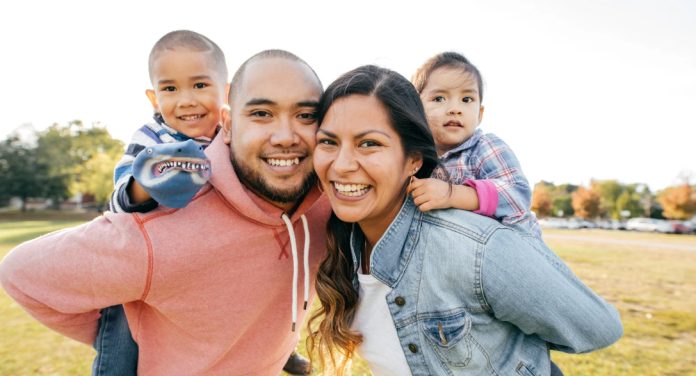
Understanding Soul Families

12
Soul Families

It is thought that people can’t choose their family, but the truth is, psychics believe that a person can choose their soul family. This is something that isn’t about genetics at all, but it is about the spiritual life of a person. These families are as important as your biological family. Do you have a soul family? Here are 10 signs to know if you have a soul family:

What is a Soul Family?

A soul family is a group of people who share the same spiritual ideas that you share. They will be there to help you grow and support you on your spiritual path.

You can know your family by looking at what kind of connection you have with them. If you have an immediate and strong connection with someone, even someone you’ve never met, they are probably part of your soul family.

You can meditate and manifest what you want, and this includes finding your soul family. They will come to you, and you will know who they are.

A soul family is someone that is there and closely related to you. They aren’t related by blood though, but they have a spiritual connection with you. They are part of your spiritual DNA, and they are there to help you. They come from your past life, and they will have similar experiences that you have had.

The soul family will be people who are twin flames, kindred spirits, soulmates, and more. They are your soul tribe, and they are part of your soul group, and you will see them throughout your entire life on earth.

Developing Your Spiritual Path

Each person in your family is there to help you to know who you are. You will be able to see your good qualities and these people will be able to show you things that you need to work on. They will help you experience things that will change your life while leading you to your spiritual path.

These are people who will be valuable to your life, and you will be able to rely on them to be there for you no matter what as you become a better version of yourself.

Deep Connection

You will meet this person, and you will have a deep connection with them. You will feel that you have known them your entire life. They will make you have a sensation that you might not even be able to explain.

You might feel a connection like you would with a best friend or someone that you have missed. It will be strong, and it will be instant, and your gut feeling will tell you that they are there for you.

Feeling Safe and Understood

This family will make you feel safe and understood. You will be able to be yourself and you won’t have to worry about being judged or being treated poorly. They are there to listen to you understand and help you through things that you’re struggling with.

Working Out Problems

Members of your soul family are there for you and if you get in a fight with them, you will work it out right away. You will always have a resolution when it comes to your soul family. They will be patient with you, and they will come back even if you hurt them.

Love to See Them

These are people that you will be excited to see. When something feels wrong or off in your life, you will want to be around your soul family. You will miss them more than you miss your friends, and you will always wish they were close to you.

There When You Need Them

When you need your soul family they will be there. Even if times are hard, you will see that they will show up at the right time and at the right place. They are members that are very concerned with your life.

Finding Purpose

You will spend time with these people, and they will help you to see your real purpose in your life. They will be there for your spiritual journey, and they will lead you down the path that you long for. They will help you and you will help them, and you will live your best life.

Positivity

A soul family will be positive and won’t put you down. They will encourage you to be the best you can be, and they will share their good vibes with you. They will give you positive energy when you need it the most.

Forever Connection

The soul family will be a forever connection. Even if you don’t see them for a long time, they will be there for you forever. You will think of them, and you will see them. Even if they aren’t with you physically, they will be there with you in spirit.

Values and Goals

You and your soul family will share the same values and goals. You will have the same views on politics and religion, and you will treat each other with respect. You will share the same life experiences because they are part of your spiritual DNA.

Mirroring You

When you look at your soul family, you will feel like they are a mirror of you. They will be there to value you and to make you feel important.

Finding Your Soul Family

Engaging in activities that bring happiness is a natural way to attract like-minded souls. When fully immersed in something enjoyable, whether it’s painting, cooking, or listening to a favorite song, those who share similar energy naturally gravitate toward that space.

Instead of searching for a soul family, allow them to find you by doing what feels most authentic. Those meant to be part of your journey will recognize that energy and be drawn to it.

Be Proactive

Being proactive can also help make these connections happen sooner. Getting involved in a community with shared interests, such as an art class, a book club, or a local workshop, creates opportunities to meet people who align with your spirit. Surrounding yourself with individuals who share your passions makes it easier for those soul-deep connections to form.

Tune Into the Universe

Tuning into the universe can also help call in a soul family. Taking quiet moments to meditate or pray with intention sends a message to the universe that you’re open to meeting the right people. Focusing on this desire, visualizing meaningful relationships, and affirming, “I’m ready to connect with those who truly understand me,” can help shift energy in a way that invites those relationships in.

Understanding the reason behind this desire—whether it’s for support, guidance, or companionship—can further strengthen the manifestation process.

Stay Open and Curious

Staying open and curious when meeting new people allows for unexpected yet meaningful connections. Sometimes, mental barriers or preconceived ideas prevent the recognition of kindred spirits.

Instead of making quick judgments, take the time to truly get to know someone. Ask thoughtful questions, listen to their experiences, and trust intuition when sensing a deeper connection. Simple conversations about fate, past lives, or the nature of karma can reveal shared perspectives and hint at something more profound.

Be Patient

Patience is key when waiting for a soul family to arrive. The universe works in its own time, aligning the right people with each other at the perfect moment. Trusting that these connections are inevitable helps ease the process, allowing relationships to unfold naturally.

In the meantime, focusing on personal growth, spiritual reflection, and self-discovery keeps energy aligned with attracting the right people. Engaging in acts of kindness, such as volunteering or offering support to those in need, can also create a pathway for meaningful relationships to enter.

Make Space

Letting go of relationships that no longer serve a purpose makes room for those that do. While a soul family isn’t something that can be chosen, the people allowed into daily life are. If a friendship or relationship feels draining rather than uplifting, it may be time to step back and create space for something more aligned.

Releasing connections that bring negativity or stagnation makes way for new, meaningful relationships to take shape. It’s important to reflect on the people in your life and consider whether they contribute to your personal growth or hold it back. Those who bring out the best in you are worth keeping close, while those who don’t may need to be released with love and gratitude for the lessons they provided.

Soul Family Relationships

Twin Flames

This is someone that comes once in your life, and they don’t have to be romantic. They are the other half of your soul. They can be a family member or your best friend.

This is one of the most important people in your soul family, and you will recognize them right away. They will look different than you, but their personality will be a mirror of who you are. They will have the same values and qualities that you have.

There is little chance of meeting your twin flame on Earth, but it can happen.

Soulmates

There are many different soulmates, and these are people who can be friends, mentors, or lovers. They can be different than you and there can be more than one soulmate that comes into your life.

You have probably already had a few soulmates that come and go out of your life, and they are there to make you better. You will know your soulmate by how they makes you feel. You should feel comfortable around them and want to spend your time with them.

Kindred Spirits

These are people that are on the same spiritual path that you’re on. They will give you ideas about love, life, and your spirit but you will have the same ideas and will share the same experiences.

You can recognize them because they come to make you feel more confident in yourself. They are part of your soul family, and they are there to give you comfort and to make you feel safe. They will come and go and might not be around for long, but they will help you find your purpose when they are around.

Karmic Relationships

Karmic relationships are there to help you to grow and to learn more about who you are. These relationships come and go and aren’t always easy. They are temporary and you can know you are in one because it will end almost as fast as it starts.

Soul Group

This is the group that you were incarnated with, and they are people that you might not meet in this life. They are part of your soul family, and you might meet them in your future life or have met them in your past life.

Final Thoughts

There are many relationships that you can have in your soul family from a soulmate to a twin flame and each of them is there to teach you a personal lesson and to help you grow.

10 Top Relationship Dreams

9
Relationship Dreams

Relationships can feel like dreams, but what happens when you keep dreaming about them? This is normal, and sometimes it happens because the feelings are so complicated. If you have gone through a breakup or you recently got married, this can affect your sleep and your dreaming.

Most of these dreams are common and can show what is going on in your mind. Of course, there will always be different definitions and meanings when it comes to interpreting your dreams, so it’s up to you to figure out what is going on in your life.

Here are some of the top 10 relationship dreams!

1. Dreaming About an Ex

Dreaming about an ex doesn’t always mean you want to get back together. Instead, it could be your subconscious processing unresolved emotions or reflecting on lessons from that relationship. Are there traits your ex had that you wish you or your current partner embodied? Or maybe the dream is about letting go of the past. Think about how the dream made you feel—sometimes it’s less about the person and more about what they represent.

2. Cheating Dreams

Dreaming about cheating, whether you’re the one cheating or your partner is, can be unsettling. These dreams don’t necessarily mean infidelity is happening. Instead, they might reflect feelings of insecurity, fear of betrayal, or even guilt over something unrelated. If this dream keeps popping up, it might be worth examining how secure you feel in your relationship or if there’s something you’re avoiding addressing.

3. Pregnancy Dreams

Pregnancy dreams can happen when you aren’t sure what you want in your relationship. It can also relate to you wishing you had a child. Dreaming about a pregnancy can mean you have new ideas, or you want to be more creative or take a different life path. Your partner being in a pregnancy dream can mean that you want them to support you during this time in your life.

4. Arguing with Your Partner

If you dream about fighting with your partner, it could mean there’s underlying tension or miscommunication in your relationship. Your subconscious might be urging you to address issues you’ve been avoiding. On the other hand, it might just reflect stress or frustration from another part of your life being projected onto your dream.

5. Losing Your Partner

Dreaming about losing your partner, whether through a breakup or something more tragic, can feel heartbreaking. These dreams often come from a fear of abandonment or insecurity in the relationship. They might also appear during times of change or uncertainty, as your mind processes the possibility of loss.

6. Sex

When you have sex dreams, there can be many reasons that these dreams come up. You might have different desires, or you might have a strong sexual libido that you need to work on calming.

7. Marriage Dreams

Dreaming about getting married often reflects a desire for commitment or unity, whether with someone else or within yourself. It doesn’t always mean you’re ready to tie the knot; instead, it might signify a deeper connection or a longing for stability and partnership.

8. Being Ignored by Your Partner

If you dream that your partner is ignoring you, it could reflect feelings of neglect or distance in the relationship. Are you craving more attention or emotional connection? This dream might be your mind’s way of highlighting areas where you feel unseen or unheard.

9. Getting Engaged Dreams

Dreaming about getting engaged might mean that you are thinking more about your partner or that you want to be more committed to the person who is in your life.

10. Being Chased by a Partner

Being chased in a dream, especially by a partner, might symbolize unresolved feelings or a fear of being overwhelmed. It could also reflect the pressure you feel in the relationship, whether that’s expectations or fears about where it’s heading. Pay attention to how you felt during the dream to uncover its meaning.

Final Thoughts

Relationship dreams can be hard, but they often reflect emotions, desires, or situations you’re working through. The key is to focus on the feelings and themes of the dream rather than taking them literally. Whether it’s a dream about an ex, a current partner, or someone new, think of it as your subconscious trying to guide or support you.

So, next time you wake up from a dream that leaves you wondering, take a moment to reflect. Dreams can be a powerful tool for self-discovery and emotional growth—if you’re willing to explore what they’re trying to say.

6 Ways to Know if Your Partner Wants Space

12
Ways to Know if Your Partner Wants Space

There should be three things in a relationship: you, me, and us. When the us is no longer there, chances are that the relationship isn’t growing, and something needs to change. If everything is always about you or about them, it will never work. There has to be an us, and this is when there is one in the relationship. One of the biggest things that people forget about is having alone time in the relationship. Sometimes, people don’t need much of this, while others need a lot of it, but everyone needs some of it. Even when people don’t realize that they need alone time, not having this will affect their relationship.

Here are some tips to know if they want or need space:

Be Honest

Not talking about what you need can hurt your relationship. If you feel annoyed at your partner, you might need to take some space. Even if something that they do is cute, it can be annoying sometimes.
You might have a partner that loves to snuggle. Even though you might love this touching, you might feel that you need some personal space. You must talk this over with your partner. Even if they feel upset or confused, it’s important to talk about it.
When you feel something, let your partner know that you are frustrated, and you need some alone time. Spend that time having fun. If you feel smothered by your partner, go out and have some alone time. Tell them what you are feeling and take your time.

Communication

Communicate that you need to have some alone time. Don’t just make your partner mad by saying, “I just need it,” but explain why. If you need something, tell your partner so that when you find yourself needing this you don’t get defensive. Some partners might not understand this but by communicating you can work through it.

One better way to tell your partner that you need alone time is to try the SEE-I method. This stands for: State it, Elaborate it, Exemplify it, and Illustrate it:

  • State it: Clearly say what you need. Say something like, “I need some space.”
  • Elaborate it: Explain why you need this. Say something like, “I need some alone time to recharge my batteries.”
  • Exemplify it: Give them examples that they would understand. Say something like, “Remember when we went to the movies, and I took some time after and spent time out in the garage to read my book?” Then we had dinner the next day. This is the kind of day I need.”
  • Illustrate it: Give them a picture or a diagram that they will understand. Say something like, “You know how when you get home from work, you want to vent about your day? Alone time helps me to decompress as well.”

Talking about what you need will help you and your partner. Not only will you get the alone time that you need but you will also be opening up a line of communication that will get rid of negative feelings.

If They Are Happy, So Are You

This isn’t really a true statement. Sometimes you can be unhappy even if your partner is happy. The truth is that sometimes you need to have your own alone time in order to be happy. This might upset your partner but when they see that this alone time helps you then they will see that this is less about them and more about “us.”
You are the one that will be responsible for making yourself happy. It isn’t up to your partner or someone else to do that. If alone time is what you need to be happy, talk about it. Even if it isn’t important to your partner, or even if it upsets them, take the time to have your alone time that you need.
Being honest with your partner and telling them what you need will make you have less fear in the relationship. This will cause fewer negative consequences in the future and will minimize conflict. Women and men who are silent about what they need in the relationship means they aren’t getting what they want and need.

Have a Hobby

When you need space, go out and get it. Take time to find an activity or a hobby that you love that you can do on your own. You might even just want to go and sit in your garage and listen to music or play video games.
There is nothing wrong with doing this if it makes you feel fulfilled and refreshed. Try picking up a new hobby that you’ve wanted to try. It will be easier for your partner to hear that you are doing something that you love over you just sitting at home being lazy.
Maybe you like to do woodwork, or you like to work on cars. Working on something like this can give you the alone time that you need and can build your self-esteem.

Know Their Love Language

Gary Chapman wrote a book, “The 5 Love Languages,” in 1995. This book explains how we give and show love. Here is what the book talks about:
Everyone expresses and receives love in different ways. What feels meaningful to one person might not have the same impact on another. This is why understanding love languages is so important. It helps partners connect in a way that truly resonates.

Words of Affirmation

Some people feel most loved when they hear kind, encouraging words. Simple acknowledgments like “I appreciate you taking out the garbage” can go a long way. On the other hand, sarcastic or critical remarks, even if meant as a joke, can have the opposite effect. Instead of saying, “It’s about time you took the garbage out; the flies were going to do it for you,” choosing a positive approach strengthens the connection.

Gifts

For some, a thoughtful gift is more than just an object; it’s a symbol of love. It doesn’t have to be expensive or extravagant. A small, meaningful gift says, “I was thinking of you.” Whether it’s a favorite snack, a handwritten note, or something that reminds them of a special moment, gifts can communicate love in a way words cannot.

Acts of Service

Doing something helpful for a partner is one of the strongest ways to express love for those who value acts of service. It could be cooking a meal, washing the dishes, or handling a task they typically take care of. These small gestures show care and effort, making life easier for them in a way that feels deeply appreciated.

Quality Time

Some people feel most connected when they have the undivided attention of their partner. This means putting away distractions like the TV or phone and being present. A simple walk together or a meaningful conversation on the couch can mean the world to someone whose love language is quality time. It’s not about the activity itself but the presence and focus shared in those moments.

Physical Touch

For others, physical touch is the most important way to feel loved. This doesn’t just mean intimacy, it can be as simple as holding hands, hugging, or a gentle touch on the arm. These small interactions create a sense of security and closeness that words or gifts might not be able to replace.

When Love Languages Don’t Match

Each person naturally expresses love in the way that feels most meaningful to them, but that doesn’t always align with their partner’s love language. This can sometimes lead to frustration or miscommunication.
For example, if one person values acts of service and expresses love by doing things around the house tidying up, fixing things, or running errands, they might feel they’re showing love clearly. However, if their partner’s love language is quality time, those efforts might go unnoticed. Instead, their partner may crave more time together and feel hurt when they don’t get it.
If one partner needs personal space but the other sees love as constant togetherness, it can create misunderstandings. The person who enjoys quality time might feel rejected, while the one who values independence might feel smothered. Instead of assuming one way is right or wrong, talking about love languages can help both partners understand each other better.
Recognizing love languages allows couples to meet each other halfway. Instead of feeling unappreciated or misunderstood, they can see love in the way their partner expresses it. By making small adjustments, whether that means offering more words of encouragement, spending extra time together, or being more intentional with gestures, relationships can become stronger and more fulfilling.

Balancing Life

Make sure that you do what you need to do. Some people might like to read a book before they go to bed, but other people can read for hours and hours. This is the same with having friends. Some like to see their friends each day, while others don’t talk to their friends for weeks or even months.
Nothing is wrong with any of this, but you just have your own balance. You might have a partner who doesn’t like to do hobbies or hang out with friends. So, when you do stuff with her, she wants to do something with just you. If you’re different and you have a lot of friends and hobbies, you might want to do things with them or without her.
You have to explain to her that you love to be with her and do the hobbies that she loves, but you also want to spend time with your friends doing things you enjoy.

Taking Me Time

Everyone needs some me time sometimes. No matter how much you love someone, if you live in the same house as someone then you need to have alone time. You should never feel guilty for wanting this time. If you see your relationship differently than your partner sees it, talk to them about your needs and figure things out before the relationship goes sour.

Love Can Heal Through the Lifetimes

13
Love Can Heal Through the Lifetimes

When it comes to emotions, some strong emotions can come from one lifetime to another. If you are someone who believes in reincarnation, you know that there can be relationships that happen in one life, and they carry over to your next life. This is sometimes seen when there is one person who is able to be in control of the relationship. Sometimes, this can be someone that you have loved from a different lifetime and someone who has gone through some kind of trauma or regret, such as losing a child.

Trauma and Emotional Carryover

When trauma happens to more than one person, such as a family member or a parent, it can carry on to that person’s life after life. As their soul dies and goes to another life, they will find that there are still strong emotions that are attached to them. Abuse, death, or trauma are strong emotions that often carry over as the soul journeys on to the next life.

A mother, for example, might have lost a child in one life and had to live her life feeling defeated and alone. She might be someone who thought over and over what she could have done differently to stop her child from dying. She might have felt that she had failed in their life and felt that she could never be forgiven. The love that she had for her child that she lost is one that will never go away, and she will continue to long to be with that child no matter what phase of life she is in.

Lifetimes of Longing

When someone has strong emotions or desires, these emotions and desires might have to stay with them for lifetimes after lifetimes. This will continue until they get back in contact with that person again. The mother who lost her child might live 50 lifetimes before she ever sees that child in another life. These are emotions that leave people feeling longing and incomplete.

With these strong emotions and feelings, a person might feel that they aren’t able to enter new relationships or really be involved with someone. This happens because healing is needed. Healing has to happen when these situations happen, and this can only come from unconditional love. Unconditional love can heal almost any wound.

Healing Through Love

When the time is right, and the person is able to get past their feelings and past their judgments, when they are able to see that they didn’t, in fact, fail but they were just learning a life lesson, this is when healing can come. The soul will choose to live past the pain and past the wounds and will learn how to bring healing to themselves so that they can continue on the journey that they are meant to be on.

Final Thoughts

Even though death happens and broken relationships happen, these are things that can carry on to many different lifetimes. If you have questions about this or you need to have healing, talking to a psychic can help you get past your wounds and build your self-esteem.

Best Questions for a Love Psychic Reading

9
Questions for a Love Psychic Reading

Love can be complicated, and it never seems to change throughout life. There are successes when it comes to relationships, but there are also a lot of failures. We all tend to look at other people to see if they can make us whole, but the truth is, we have to love ourselves first, and then we can find someone else that just adds to our happiness. No one person will ever be able to complete you if you don’t have enough love for your own life.

How Psychics Can Help With Love

Talking to a psychic can help you learn more about your love life and what love holds for your future. Because there are so many people in the world, love and relationship readings are some of the most common readings.

When you go to a reading, the best thing to do is to be ready to ask specific questions. Set intentions on what you hope to find out about your life. If you’re single, in a relationship, or have lost someone that you love, connecting with a psychic can give you the guidance that you need.

The future can change because of free will, but since psychics are able to see into the spiritual world, they can sometimes read into the future and find out what can happen to you in the future when it comes to love.

Questions to Ask During a Love Psychic Reading

Single Questions

  • How can I find a relationship that fulfills me?
  • What do I need to work on in myself before I find another partner?
  • How can I find healthy love?
  • How can I love myself more?
  • What can I do to be more open to new partners?
  • How can I ground myself in dating?
  • Am I in the right place to find love?
  • What toxic patterns are blocking me from love?
  • How can I follow what my heart says?
  • What behaviors have I learned that I need to let go of in order to find love?
  • What should I know about my life in the present?
  • What should I do before I meet a new partner?
  • What expectations do I have of a partner?
  • Do I have realistic expectations of finding love?
  • How can I learn to value myself more?
  • Will I find love in 3, 6, 9, or 12 months?

Relationship Questions

  • What is the energy of my relationship right now?
  • Do I need to know anything about my relationship?
  • Where is my relationship going?
  • How can I be a better partner?
  • Will my relationship help me to become a better partner?
  • Are I and my partner on the same energy?
  • Are me and my partner compatible?
  • Does my partner and I want the same things in life?
  • What can I do to make my relationship stronger?
  • What can I learn from my present relationship?
  • Should I know anything about my partner?
  • What does my partner think about me?
  • What does my partner think about our relationship?
  • Is my partner being honest with me?
  • Am I being honest with my partner?
  • How can I bring intimacy into my relationship?
  • What has my past relationship brought into my current relationship?

Soulmate Questions

  • What is the energy between me and my lover?
  • Do I have a karmic connection with my lover?
  • Have I lived a past life with my partner?
  • What patterns am I repeating from my past life?
  • Is my twin flame connection with my lover?
  • Is my partner part of my soul family?
  • Will our relationship make us happy?
  • Does my partner and I have true love?
  • What is my partner showing me about life?
  • What purpose is there in our relationship?
  • How can I make our love stronger?
  • Do we have a strong spiritual connection?
  • Can I communicate telepathically with my partner?
  • What can I do to make our souls closer?

Past Relationship Questions

  • What needs healing from my past relationships?
  • What do I need to release from my past relationships?
  • Do I need to have any closure in the past relationships?
  • How do I bring closure?
  • Did my past relationship cause me to have negativity?
  • Am I looking at my past relationship wrong?
  • Will the past relationship come back if I look for it?
  • Can I communicate with my past lover?
  • How does my past lover see me?
  • What do I need to learn from my past relationship?
  • How do I forgive myself for my mistakes?
  • How do I forgive my ex-partner?
  • What path should I take to move forward?

Asking the Best Kinds of Questions

There is no right or wrong question to ask when you are seeking guidance from your psychic. If you need to have clarity about love or your relationships, talking to your love psychic can help. When you get a reading, there are questions that are going to be better than others. Always make sure that you ask open-ended questions and that you keep the yes or no questions at a minimum.

Ask questions that can bring awareness to your life. This can allow the psychic to help establish your emotions and energies and to take action on what you need. Sometimes, we look for answers to questions from psychics, and there can be hidden messages that need to be uncovered. This kind of question allows you to open up your vibrations and encourages a deeper conversation.

Don’t let your emotions get out of control during your reading. Let your reader give you advice on what is holding you back in love. The psychic can also help you figure out if you have inner conflicts making you too vulnerable to love and help you learn more about self-care and moving forward if your heart is broken.

Asking questions about doubt and finding out if you are on the right path is a great way to learn about your life and love. By focusing on the bigger picture, you can figure out how to move forward in love. These questions help you reflect on your current life and see what path is right for you to reach your future goals.

Final Thoughts

There are so many questions you can ask when it comes to love and relationships. Talking to a psychic can give you the answers you seek and put you on the right path in your love life.

Signs That Excessive Pride Is Affecting Your Relationship

9
Excessive Pride Is Affecting Your Relationship

Recognizing when pride has gone too far can be tricky, especially since it often sneaks in gradually. Here are some key signs that it might be time to check the pride levels in your relationship:

  • Perpetual Pointing Out of Flaws

If you find yourself overly focused on your partner’s imperfections, constantly pointing out their mistakes or shortcomings, this may be a sign of unchecked pride. While constructive feedback is healthy, focusing on faults can harm self-esteem and lead to resentment.

  • Refusal to Apologize

Pride often makes it difficult to say the simple words, “I’m sorry.” If you or your partner struggle to apologize or always feel the need to be “right,” pride may be getting in the way of genuine connection.

  • A Constant Need for Validation

Feeling the need to “prove” oneself to your partner, whether through success or appearance, can reflect a pride-based fear of vulnerability. Constant validation-seeking can make both parties feel pressured rather than supported.

  • Frequent Comparisons

If one or both partners are constantly comparing the relationship to others, or even competing with their partner, it could be a sign that pride has taken over. Healthy relationships are about unity, not competition.

  • Disregard for Emotional Needs

Excessive pride can sometimes make it difficult for partners to empathize with each other’s emotions. If one partner’s needs are regularly ignored, it may reflect an imbalance that pride perpetuates.

How Pride Can Erode Relationship Growth

The dangers of unchecked pride in relationships run deep. Here are a few ways it affects growth:

  • Blocked Communication

Pride can prevent open, honest communication, making it hard to discuss feelings, concerns, or apologies. Relationships thrive on communication, and pride can stifle it, leading to misunderstandings and frustration.

  • Eroded Trust

When pride overshadows humility, trust can be compromised. Trust requires transparency and vulnerability, qualities pride can obscure. If a partner feels that their concerns aren’t heard, trust naturally declines.

  • Emotional Distance

If a relationship is about “winning” rather than connecting, intimacy can suffer. Pride that pushes partners to emotionally withdraw can create lasting divides that are hard to bridge.

  • Limited Growth

Healthy relationships allow both individuals to grow together, supporting each other’s personal development. Pride, however, focuses on individual achievement, creating a one-sided dynamic where growth isn’t shared.

Tips for Reducing Pride in a Relationship

Recognizing and overcoming pride can pave the way for a more balanced and respectful relationship. Here’s how:

  • Prioritize Humility Over Ego

Rather than focusing on “winning” arguments or proving a point, practice humility. Letting go of the need to be right all the time opens the door for compromise and mutual understanding.

  • Adopt a Team Mindset

In a healthy relationship, it’s less about “me” and more about “we.” Approaching decisions and challenges as a team fosters unity and reduces competition-based pride.

  • Embrace Open Communication

Make it a point to regularly discuss feelings, concerns, and compliments. When pride is allowed to take a backseat, honest communication leads to greater connection.

  • Celebrate Each Other’s Wins

Part of balancing pride in a relationship is learning to celebrate your partner’s accomplishments with genuine enthusiasm, even when they’re not directly tied to you. This strengthens admiration and support.

  • Focus on Gratitude

Cultivating gratitude for each other’s contributions and qualities helps reduce the tendency to compete. Regularly acknowledging what you appreciate can soften prideful tendencies.

Using Self-Reflection to Curb Pride

Working through pride begins with self-reflection. Ask yourself:

  • Do I feel that I’m always “in the right?”
  • Am I willing to apologize when I’m wrong?
  • Do I focus more on my partner’s flaws than on their positive qualities?

Taking a moment to reflect on these questions can reveal patterns of pride that might need adjusting. Remember, growth in relationships requires an honest look at ourselves and a willingness to adapt.

Examples of How Excessive Pride Manifests in Real-Life Relationships

  • “I Just Can’t Say Sorry”

John, a self-confessed perfectionist, finds it nearly impossible to apologize when he’s wrong. When he and his partner, Sarah, argue, he’d rather stay silent than apologize, which creates a constant tension. Recognizing this, John decides to practice verbalizing a genuine apology, and over time, he finds it easier to admit when he’s made a mistake.

  • “It’s All About Me”

Maya prides herself on her career achievements and often steers conversations with her partner, Kyle, toward her latest work successes. Kyle feels like he rarely gets to share his own accomplishments, and the imbalance leaves him feeling sidelined. Once Maya becomes aware, she makes an effort to actively listen to Kyle and celebrate his victories too.

Final Thoughts: Finding Balance with Healthy Pride

Healthy pride isn’t a bad thing; it’s the overabundance that causes friction. By keeping pride in check, couples can maintain mutual respect and admiration, allowing both partners to feel seen and valued. Pride should bolster love, not overshadow it. Remember, the true strength of a relationship often lies in humility, empathy, and the willingness to work through challenges together.

When She No Longer Loves You: Understanding the Signs and Moving Forward

8
When She No Longer Loves You

The end of a relationship can be one of the most painful and confusing experiences we face in life, especially when you realize, “She no longer loves me.” This realization may come gradually or suddenly, but it’s never easy to accept. Love can evolve over time, and in some cases, feelings may fade. Whether it’s due to a breakdown in communication, unmet emotional needs, or external pressures, the reasons behind a partner’s fading love are complex and often layered.

In this article, we’ll explore the common signs that may indicate when she no longer loves you, the potential reasons behind these changes, and how to cope with the emotional fallout. It’s important to remember that even though this process is painful, it can also be a catalyst for personal growth, reflection, and healing.

The Common Signs She No Longer Loves You

When a romantic relationship starts to lose its spark, there are usually signs that point to an emotional shift. If you’re wondering whether she no longer loves you, it’s essential to look at the big picture and consider these common indicators. These signs, when taken together, may signal that her feelings have changed:

  1. Emotional Distance

One of the most telling signs that a partner’s feelings are shifting is emotional distance. If she used to be open and communicative but now seems cold, distant, or indifferent, it could mean she’s emotionally checking out of the relationship. Conversations that were once deep and meaningful may become surface-level or forced.

Example: You used to have long talks about everything from your dreams to your fears, but now she barely engages when you ask about her day. Emotional distance often indicates that a deeper connection is being lost.

  1. Lack of Physical Affection

Physical affection is often one of the first areas where change is noticed when love begins to fade. If she’s no longer interested in physical touch, whether it’s holding hands, cuddling, or kissing, it could be a sign that her feelings are changing.

Example: You might notice that she pulls away when you try to hold her hand, or she avoids intimacy altogether. A lack of physical connection often reflects an emotional disconnect.

  1. Frequent Criticism

When love begins to fade, partners may become more critical of each other. If she’s suddenly pointing out all your flaws, criticizing your habits, or picking fights over small things, it could be a sign that her love for you has diminished.

Example: Small behaviors that she once found endearing—like the way you laugh or how you handle household chores—now irritate her. Instead of giving constructive feedback, she becomes more negative and confrontational.

  1. She’s Avoiding Time Together

In a loving relationship, spending time together is something both partners look forward to. But if she no longer loves you, she may start to avoid spending quality time with you. This can manifest in her making excuses to be apart or filling her schedule with activities that don’t involve you.

Example: If she used to eagerly plan weekends together but now prefers to go out with friends, or she suddenly has “work” that keeps her busy, it could be a sign that she’s distancing herself from the relationship.

  1. Indifference to Conflict

Every relationship has conflicts, but how those conflicts are handled can reveal a lot about the health of the relationship. If she used to be invested in resolving arguments and finding solutions, but now seems indifferent or apathetic when conflicts arise, it could be a sign that her feelings have shifted.

Example: You might bring up an issue, expecting a discussion or even a heated argument, but instead, she just shrugs and says, “Whatever.” This level of indifference often points to emotional detachment.

  1. She’s No Longer Interested in Your Life

When someone loves you, they show interest in your life—whether it’s your work, hobbies, friends, or future plans. If she no longer asks about your day, your feelings, or your goals, it could indicate that she’s lost emotional investment in the relationship.

Example: If she used to ask about your job or get excited about your future plans together, but now doesn’t seem to care or listen when you talk about those things, it may be a sign that her love is fading.

  1. She Talks About the Future Without You

If she used to include you in her future plans but now talks about them in a way that doesn’t involve you, it could be a significant red flag. A future without you could indicate that she’s already imagining her life apart from the relationship.

Example: She may start talking about career goals or travel plans without mentioning you, or she might say things like, “I don’t know what the future holds for me,” leaving you feeling excluded from her vision of the future.

  1. Gut Feeling

Finally, trust your gut. Sometimes, even when the signs aren’t glaringly obvious, you may just have a deep feeling that something has changed. If you sense that she’s no longer emotionally invested or that her feelings for you have faded, it’s worth addressing those concerns.

Why Love May Fade: Common Reasons She No Longer Loves You

Understanding why love fades is crucial in helping you come to terms with the situation. Every relationship is unique, but here are some common reasons why she may no longer feel the same way:

  1. Emotional Needs Are Not Being Met

In any relationship, both partners have emotional needs that must be met for the love to grow and thrive. If one partner feels neglected, unheard, or unsupported, those unmet needs can slowly erode their love.

Example: If she has expressed feeling unappreciated or that her emotional needs aren’t being met, and those issues remain unresolved, it could lead to her love fading over time.

  1. Loss of Respect or Trust

Respect and trust are the foundation of any healthy relationship. If either of these elements has been damaged—whether through betrayal, dishonesty, or ongoing conflict—it can cause a significant shift in feelings.

Example: If there has been a major breach of trust, such as cheating or dishonesty, it’s possible that while she may have forgiven you, she hasn’t been able to fully regain the love and trust she once had.

  1. Different Life Goals

As people grow and evolve, their goals and priorities may change. If you and your partner no longer align on important life goals—whether it’s about career, family, or personal values—it can create distance between you.

Example: She may have decided she wants to travel the world while you’re focused on settling down and starting a family. These fundamental differences can cause love to fade as partners realize they may not share the same future vision.

  1. Emotional or Physical Infidelity

Infidelity, whether emotional or physical, can deeply damage a relationship. Even if she doesn’t directly address it, infidelity can cause lingering emotional wounds that make it difficult for love to continue.

Example: If she suspects or knows that there has been emotional or physical infidelity, it could be the reason why she’s pulling away emotionally and physically.

  1. She’s Outgrown the Relationship

People change over time, and sometimes that change can lead to outgrowing a relationship. What once felt like a deep connection may now feel like something that no longer fits.

Example: If she has been focusing on personal growth, developing new interests, or pursuing new goals, it’s possible that the relationship no longer aligns with who she’s becoming.

  1. Unresolved Conflict

Ongoing, unresolved conflict can take a serious toll on love. If you’ve been having the same arguments repeatedly without finding a solution, it can create emotional exhaustion and frustration that erodes love over time.

Example: If every conversation turns into a fight about the same unresolved issues, it can lead her to feel hopeless about the relationship and emotionally detach.

How to Cope When She No Longer Loves You

Realizing that someone you love no longer feels the same way can be devastating. But while the pain is real, it’s important to remember that this experience, like any other, can provide valuable lessons and opportunities for growth. Here are some steps you can take to cope:

  1. Allow Yourself to Grieve

It’s natural to feel a wide range of emotions—sadness, anger, confusion, and even relief—when a relationship ends. Give yourself permission to grieve the loss, and don’t rush the healing process. Healing takes time, and it’s okay to feel the full spectrum of emotions.

  1. Reflect on the Relationship

Take time to reflect on what went wrong in the relationship. Were there unmet needs, unresolved conflicts, or fundamental incompatibilities? Understanding what led to the breakdown of love can help you gain closure and learn from the experience.

  1. Focus on Self-Care

Breakups can take a toll on both your emotional and physical well-being. Make self-care a priority during this time. Whether it’s exercising, meditating, or spending time with friends, focus on activities that help you heal and regain your sense of self.

  1. Avoid Desperation

It’s natural to want to win her love back, but trying to convince someone to stay in a relationship when their feelings have changed is unlikely to bring long-term happiness. Desperation can push her further away, and it can prevent you from moving forward.

  1. Seek Support

Don’t go through this alone. Reach out to friends, family, or a therapist for support. Talking to someone you trust can provide comfort and help you process your emotions.

  1. Focus on Personal Growth

A breakup can be an opportunity for personal growth. Use this time to focus on your own goals, hobbies, and self-development. While it may be painful now, this experience can lead to a deeper understanding of yourself and what you want in future relationships.

Final Thoughts: Moving Forward When She No Longer Loves You

Realizing that she no longer loves you is incredibly painful, but it’s also a turning point. While it may feel like the end of your world right now, this experience can serve as an opportunity to reflect, grow, and heal. Love may have faded, but life goes on, and so will you.

The end of one relationship doesn’t define your worth or your future. Instead, see it as a chapter in your life that has closed, making way for new experiences and connections. Focus on healing, rediscovering yourself, and rebuilding your life. With time and self-compassion, you will emerge stronger and more resilient, ready to embrace the next chapter of your journey.

Get Past Your Jealousy: Understanding, Managing, and Overcoming Envy

18
Get Past Your Jealousy

Jealousy is a complex and often uncomfortable emotion that can affect our relationships, self-esteem, and overall well-being. Whether it’s feeling envious of someone’s success, worried about a partner’s attention, or comparing yourself unfavorably to others, jealousy can create a cycle of negativity and insecurity. While it’s a natural human emotion, letting jealousy fester can lead to destructive behaviors and strained relationships. The good news is that you can learn to get past your jealousy by understanding its roots, managing your reactions, and cultivating a healthier mindset. In this article, we’ll explore what causes jealousy, practical steps to overcome it, and ways to turn this challenging emotion into a path for personal growth and self-discovery.

Understanding Jealousy: Why Do We Feel This Way?

Jealousy is an emotional response to a perceived threat to something we value, whether it’s a relationship, a status, or a sense of self-worth. It often arises from comparisons, insecurity, fear of loss, or a feeling of inadequacy. At its core, jealousy signals a deeper need or fear that isn’t being addressed.

Common triggers for jealousy include:

  • Fear of Losing Someone: In romantic relationships, jealousy often stems from a fear of losing your partner’s attention, affection, or commitment to someone else.
  • Comparison to Others: Seeing others succeed or have things you desire can trigger feelings of envy and inadequacy, leading to jealousy.
  • Insecurity and Low Self-Esteem: When you don’t feel confident in yourself, you’re more likely to compare yourself to others and feel threatened by their success or qualities.
  • Past Experiences: Past betrayals, infidelity, or unmet needs can leave emotional scars that make you more prone to jealousy.

Understanding these triggers is the first step in getting past your jealousy. Recognizing why you feel the way you do allows you to address the underlying issues and begin the process of healing and growth.

1. Acknowledge and Accept Your Jealousy

The first step in overcoming jealousy is to acknowledge and accept it without judgment. Denying or suppressing your feelings can make them stronger and more difficult to manage. Instead, recognize jealousy as a natural human emotion that everyone experiences at some point.

Practice Self-Awareness: Take a moment to observe your feelings of jealousy when they arise. Notice what triggers them and how they make you feel. Are you experiencing jealousy because of a specific person, situation, or thought pattern? By becoming aware of your triggers, you can start to understand the root cause of your jealousy.

Example: If you notice feelings of jealousy when your partner talks to someone attractive, ask yourself why. Are you afraid of losing their affection? Do you feel insecure about your own appearance or worth? Identifying these underlying fears can help you address them directly.

2. Challenge Your Thoughts and Assumptions

Jealousy often thrives on assumptions, misunderstandings, and negative thought patterns. It’s easy to jump to conclusions or imagine worst-case scenarios that fuel your jealousy. To get past your jealousy, it’s important to challenge these thoughts and reframe them in a more realistic and positive light.

Question Your Assumptions: When you feel jealous, ask yourself if your thoughts are based on facts or fears. Are you assuming the worst without evidence? Are you projecting your insecurities onto others? By questioning your assumptions, you can shift your perspective and reduce the intensity of your jealousy.

Example: If you’re jealous of a coworker’s promotion, you might assume they’re more talented or favored by the boss. Instead of comparing yourself unfavorably, consider the hard work they’ve put in, and use it as motivation to improve your own skills or seek new opportunities.

3. Focus on Your Strengths and Accomplishments

Jealousy often stems from a place of lack, where we focus on what we don’t have rather than appreciating what we do have. To combat this, make a conscious effort to focus on your strengths, achievements, and the positive aspects of your life. By shifting your attention to what makes you unique and valuable, you can build your confidence and reduce the impact of jealousy.

Celebrate Your Wins: Take time to acknowledge your successes, no matter how small. Keep a journal of your accomplishments, compliments you’ve received, and moments when you felt proud of yourself. This practice can help reinforce your self-worth and remind you of your own capabilities.

Example: If you’re feeling jealous of a friend’s new relationship, remind yourself of the fulfilling aspects of your own life—whether it’s your supportive friendships, career achievements, or personal growth. By focusing on your positives, you can feel more content and less threatened by others’ successes.

4. Communicate Openly and Honestly

In relationships, jealousy can often be alleviated through open and honest communication. Bottling up your feelings or acting out of jealousy can create distance and misunderstandings. Instead, express your feelings to your partner or loved ones in a calm and constructive way.

Share Your Feelings Without Blame: When discussing your jealousy, focus on how you feel rather than placing blame or accusations. Use “I” statements to express your emotions, such as “I feel insecure when…” or “I’m struggling with jealousy because…”. This approach fosters understanding and allows your partner to support you without feeling attacked.

Example: If you’re feeling jealous because your partner is spending a lot of time with a new friend, express your feelings calmly. “I’ve been feeling a bit insecure about the time you’re spending with [friend’s name]. It’s probably my own insecurities, but I wanted to share how I’m feeling so we can work through it together.”

5. Practice Gratitude and Mindfulness

Gratitude and mindfulness are powerful tools for managing jealousy. When you focus on the present moment and appreciate what you have, it’s harder for jealousy to take hold. Practicing gratitude can help shift your mindset from one of scarcity to one of abundance, where you recognize the good things in your life and feel less threatened by others’ successes.

Cultivate a Gratitude Practice: Each day, take a few minutes to reflect on what you’re grateful for. This can be anything from your health and relationships to simple pleasures like a warm cup of coffee or a beautiful sunset. By regularly focusing on gratitude, you train your mind to see the positives rather than dwelling on what you lack.

Example: If you’re feeling jealous of someone’s seemingly perfect life on social media, take a step back and reflect on the things you’re grateful for in your own life. Remember that social media often shows a curated highlight reel, not the full picture. By appreciating your own blessings, you can diminish the impact of envy.

6. Invest in Your Personal Growth

Jealousy can be a signal that it’s time to focus on your own personal growth and development. Instead of fixating on what others have, invest in becoming the best version of yourself. This might mean setting new goals, learning new skills, or pursuing passions that bring you joy and fulfillment.

Set Personal Goals: Identify areas of your life where you’d like to grow and set achievable goals. This could be related to your career, relationships, health, or hobbies. By working towards your own aspirations, you’ll feel more empowered and less likely to compare yourself to others.

Example: If you’re jealous of a friend’s fitness journey, use it as inspiration rather than a source of envy. Set your own fitness goals, whether it’s taking up a new sport, joining a gym, or simply committing to daily walks. By focusing on your progress, you’ll feel more motivated and less preoccupied with others.

7. Seek Support When Needed

Sometimes, overcoming jealousy requires more than self-help strategies. If your jealousy is deeply rooted or causing significant distress in your life, seeking support from a therapist or counselor can be incredibly helpful. A professional can help you explore the underlying causes of your jealousy, develop coping strategies, and work through any unresolved issues that may be contributing to your feelings.

Don’t Hesitate to Reach Out: There’s no shame in seeking help if you’re struggling to manage your jealousy. Therapy provides a safe space to explore your emotions, gain new insights, and build healthier patterns of thinking and behavior.

Example: If past experiences of betrayal are fueling your current jealousy, therapy can help you process those emotions and build trust again. A therapist can guide you through exercises to rebuild your self-esteem and teach you techniques for managing difficult emotions.

Final Thoughts: Embracing Personal Growth Beyond Jealousy

Jealousy is a natural emotion, but it doesn’t have to control your life or your relationships. By understanding your jealousy, challenging negative thoughts, and focusing on personal growth, you can get past your jealousy and transform it into an opportunity for self-improvement. Remember that everyone experiences jealousy from time to time; it’s how you handle it that makes the difference. Embrace the journey of self-discovery and use jealousy as a catalyst to learn more about yourself, strengthen your self-worth, and cultivate a mindset of gratitude and abundance. With patience, self-awareness, and a commitment to growth, you can overcome jealousy and move forward with confidence and peace.

Will Your Soulmate Know Who You Are?

16
Will Your Soulmate Know Who You Are

When you meet your soulmate, or they meet you, they will be magnetic and pull you towards them. Sometimes, old memories will come up that can cause this person to feel even more connected to you. Those who believe in reincarnation believe that a soulmate is someone who can come from a past life. This means that you had a relationship with them at some point in your past life or another.

Your soulmate might have strong feelings for you immediately, which might be confusing, but this is your astrological connection. This means that your relationship can be full of peace and acceptance, and the connection can be strong and powerful.

Just like the moon shows you, everyone has a soul group and a soulmate connection. This is the person who will share a place in your birth chart. Someone born within 18 months of you might share the same nodal placement as you. This can mean that they are tied to you in some kind of karmic way. You might also find your soulmate tied to you in different nodes.

People with Rising Signs opposite each other make the best partners. They will have marriage houses that match their houses, which can go both ways. The energies that they have that are opposite will make a perfect partnership. The connection can work as a Sun or Moon sign, and they can be perfect partners with perfect connections.

If you are in the South Node, this can mean that you have an opposite of the North Node. This can be challenging, and you can see that your soulmate might not be able to last in your life forever.

Here are some of the soulmate paths that you might find yourself in:

  • Aries and Libra

Aries and Libra might balance each other if they are soulmates because they can both focus on individuals. They are strong, and they will turn their relationship into a partnership where they recognize their partner’s strengths. They seem to love everyone, and they can focus well on this relationship. They will put their activities in their home, values, and careers.

  • Taurus and Scorpio

This bond is a Moon Node, and this is a soulmate sign. This means that you will have to take time to recognize this soulmate connection. This is a time when the Taurus will commit to the relationship, and the Scorpio will dig deep to find someone to build a life with. September and November are powerful times for this kind of soulmate relationship.

  • Gemini and Sagittarius

This relationship is a soulmate sign of the Nodes that left a year ago. They can develop their relationship as long as they set boundaries. They can be romantic, but they need to learn to communicate and have boundaries that allow them to stay in control while they grow.

  • Cancer and Capricorn

This is a soulmate relationship, and Jupiter and Pluto are involved. They can flow together, but they will have a bumpy relationship. This can be overwhelming, and you must allow your partnership to relax. Take time to travel and be creative with each other.

  • Leo and Aquarius

This bond will help you find fun and work. They will build a strong foundation together, and they will make good partners with stability and strength. They will work hard, and their relationship will stand up strong even in challenges.

  • Virgo and Pisces

This is a soulmate relationship that works with communication and interaction. It is someone who will understand you and show you what love is like. They will be able to show you humanity and a good future together. This connection will express itself, and I will be able to relate with love and care.

What Makes You the Best Partner?

7
What Makes You the Best Partner

It isn’t always easy to find exactly what you’re looking for in a partner. Finding the best boyfriend or girlfriend can be hard, but this is sometimes because we forget that people have flaws, and we forget to look for those things. Instead, we choose to be positive in the relationship and just embrace what makes us feel good. You have to look at someone for their goodness and badness, and you have to let them work on their flaws if you want to find the perfect partner.

Here are some things that you should look for when finding a boyfriend or a girlfriend:

What to Look For

These are some things that you might want to consider when looking for a partner:

  • Attractiveness

How attracted are you to this person, and how are they attracted to you? You should both have some kind of chemistry and physical attraction, or else a romantic relationship won’t work. This should rank as a high thing in what you are looking for. This is about how you feel when you see them and how much fun you have sexually.

  • Kindness

Another thing that should attract you is their kindness and generosity. How much are they there to support you? Finding a lifelong partner is important, and they should be someone you need and someone willing to give as much as you are in the relationship.

  • Love and Compassion

Compassion is a big trait that makes it easier for partners to be together. It allows you to have empathy when something goes wrong. You need to find someone you can trust with your feelings and someone who will accept you even when things go wrong.

  • Openness

A partner that is able to share their feelings with you will make the relationship much easier. You can be with someone who is closed off in their emotions and feelings, but this will be a lot of hurt and aggravation, which might lead to a relationship not working out.

  • Fire and Passion

Having fire and passion to reach goals and to be intimate together are two things that you will want in a partner. You might not want someone who tries to take away your own fire but find someone who is going to be interesting and someone who is going to make you burn for their passion.

  • Attention

This person should be able to give you attention and make you feel that they love you and that they want to be around you.

  • Sense of Humor

Having a good sense of humor should be important for everyone who is trying to date. Even when days are hard, having someone who can make you laugh will help you connect with them in a stronger way.

  • Loyalty

Loyalty is very important when finding a partner. Loyalty and dependability go hand in hand, and when you have someone who has these traits, they will make you feel secure even when days are bad. They will also respect you even when other people don’t.

  • Control

It is important to find someone who has good self-control, or else the partner might get tempted and will hurt their partner. This can be things like addictions to drinking or drugs or even things like gambling. Saying I love you means that you can control these habits if you love your partner.

  • Honesty

Most people prioritize honesty over any other trait in a relationship. Having someone who isn’t going to tell you the truth is a fast way to ruin any relationship. You must find someone who will satisfy your feelings and communicate with you openly and truthfully.

  • Trusting

You will never be able to give yourself to someone that you aren’t able to trust. When you have trust, then your relationship can be healthy. You need to have this for the relationship to be successful.

  • Motivation and Goals

It is important to find someone who is motivated to work hard and ensure happiness in the relationship. This person should put forth this energy both in the relationship and in their own life.

  • Creativity

It is important to keep the relationship exciting. If you find someone who is creative and they will keep the spark alive in the relationship, then they can live their life with you, and you can move together in the right direction.

  • Patience

Patience is one thing that helps to strengthen a relationship. You should have someone who will be patient when things get hard or who knows that patience is needed at the time.

  • Positivity

Finding someone who is positive can make any relationship better. Watch out for a negative partner because this will lead to hurt and cruelty within the relationship. You need someone who is positive and kind.

  • Confidence

Confidence allows people to be strong when needed. It also helps people act on what they say. Having good confidence is important, but you don’t want someone who is overly arrogant.

  • Equality

Someone who is conscious of what you are feeling will be able to make the partnership equal. This relationship will help you make mistakes but also work on fixing them. It is important that you find someone who cares about what you say or about what you feel.

Seeking Out Love

Most people want love in their lives, but being in a relationship isn’t easy. It takes hard work and dedication. It is also important to find a partner who has the traits you want them to have in order to keep you happy.